
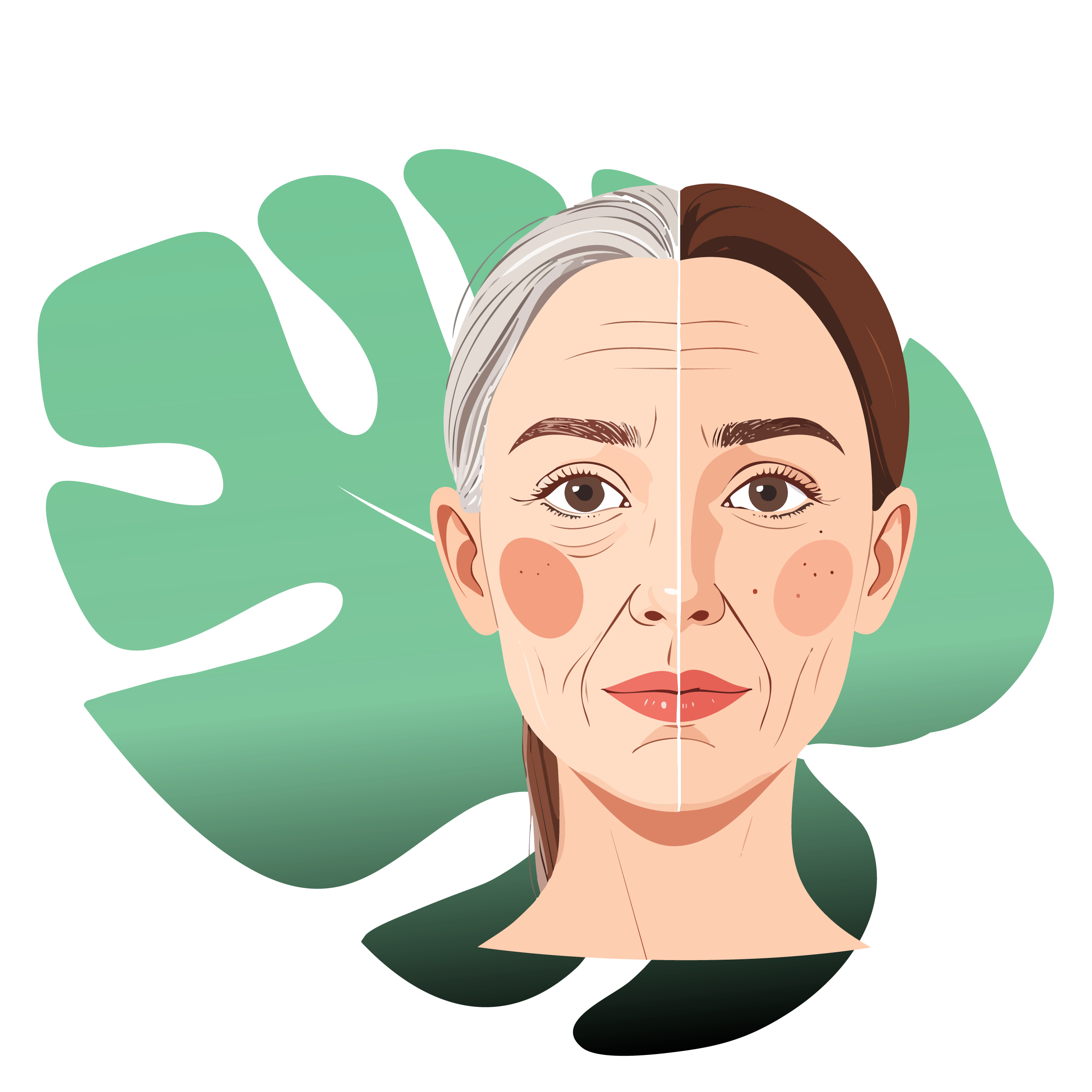
Skin tightening treatments work by stimulating new collagen and elastin to make skin appear firmer and more lifted, with options ranging from in‑clinic energy devices to supportive home skincare. Non-surgical methods are best for mild to moderate laxity, while results are usually gradual over weeks to months.
PurposeImprove firmness and elasticity by triggering collagen and elastin production in deeper skin layers.Soften early sagging (for example, jawline, neck, cheeks) and delay or complement surgical lifting where appropriate.ProcedureMicroneedling with RF devices such as Morpheus8 use needles plus radiofrequency to create micro‑injuries and deep heating, while thread lifts place dissolvable sutures that both lift tissue mechanically and stimulate collagen as they dissolve.BenefitsRadiofrequency and RF microneedling improve skin laxity, fine lines, and texture, with optimal results typically seen after several months as collagen remodels.Thread lifts provide an immediate subtle lift plus progressive tightening, and at‑home retinoids and growth‑factor products support long‑term firmness and photodamage repair.
RisksCommon temporary effects include redness, swelling, mild discomfort, or bruising after energy treatments or thread lifts.Less common risks are burns or pigment changes with energy devices, thread visibility or asymmetry with thread lifts, and skin irritation from active topical products like retinoids if overused.AftercareAfter in‑office tightening, patients are usually advised to avoid excessive heat, intense exercise, or irritating products for a few days and to follow specific device or thread‑care instructions.Daily broad‑spectrum sunscreen and consistent use of prescribed topicals (for example, retinoids) help maintain results and protect new collagen from UV breakdown.AlternativesFor more advanced laxity, surgical procedures such as facelifts or neck lifts offer more dramatic and long‑lasting tightening than non-surgical options.Patients seeking very conservative approaches may rely on medical‑grade skincare, lifestyle measures (sun avoidance, no smoking), and occasional light treatments rather than high‑energy or thread‑based procedures.SafetySafety depends on proper assessment of skin type and laxity, choosing the right technology and settings, and being treated by experienced, appropriately qualified practitioners.Following evidence‑based protocols, spacing treatments correctly, and scheduling maintenance rather than over‑treating reduces the risk of complications and supports stable, natural‑looking outcomes.