
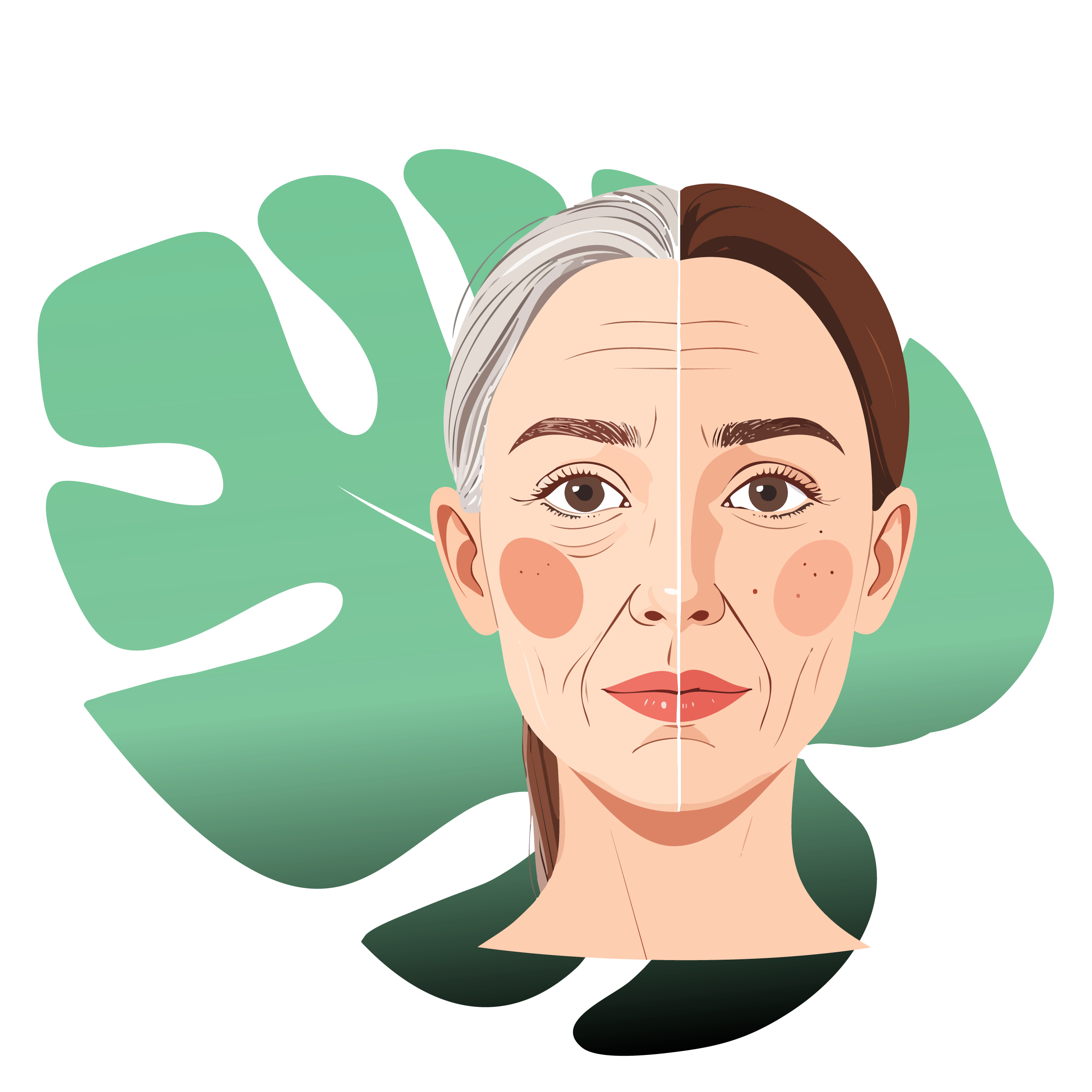
Skin laxity and tightening – overviewSkin firmness and elasticity naturally change over time due to ageing, sun exposure and other factors. A consultation with a suitably qualified health practitioner can help determine whether any cosmetic procedure or non‑procedural approach may be appropriate for your individual skin concerns.Purpose of treatmentThe general aim of skin‑tightening approaches is to support firmer‑looking skin and soften the appearance of early sagging in areas such as the face, jawline or neck, where suitable. Any decision about treatment should balance potential aesthetic changes with your skin type, medical history, expectations and the option of not having a procedure.What may be discussed at a consultationDuring a consultation, your practitioner may review your medical history, assess the degree and pattern of skin laxity, and discuss your goals. They might outline a range of options, which can include skincare, lifestyle measures, non‑surgical cosmetic procedures, surgical procedures, or choosing no intervention, and advise which (if any) are suitable for you.Consultation may or may not involve the administration of prescription medications.
Potential benefits and limitationsSome people may notice gradual improvements in the appearance of skin firmness, texture or contour when an appropriate approach is selected and performed or supervised by a qualified practitioner. Results vary between individuals, are usually seen over time rather than immediately, and no specific outcome can be promised or guaranteed.Risks and side effectsAll non‑surgical cosmetic skin procedures carry potential side effects and complications. These can include temporary redness, swelling, bruising, discomfort or sensitivity, as well as less common but more serious problems such as infection, scarring, pigment changes, burns, asymmetry, or unsatisfactory cosmetic results; your practitioner should explain the risks relevant to any option before you decide whether to proceed.Aftercare and follow‑upIf a procedure or structured skincare plan is recommended, you will receive personalised aftercare instructions, which may include advice about skin care, sun protection, activities or products to avoid, and symptoms that require prompt review. Follow‑up appointments are usually arranged so your practitioner can monitor your progress, address concerns and adjust your plan if needed.Alternatives, including no treatmentAlternatives or adjuncts may include consistent at‑home skincare, sun protection, lifestyle measures such as avoiding smoking and maintaining a balanced diet, considering surgical options for more advanced laxity, or deciding not to have any cosmetic procedure. Your practitioner can help you weigh up these options and support you to make a choice that aligns with your values, budget and overall health.Safety and practitioner qualificationsSafety is supported by having your skin assessed and any procedure planned or performed by a registered health practitioner with appropriate training and experience in cosmetic and skin treatments. You are encouraged to ask about qualifications, the setting in which any procedure is carried out, how complications are managed, and whether the proposed approach is suitable for you, including the option of not proceeding.